







Search Results for: Tasting Temperature
What temperatures correspond to high, medium, and low in coffee tasting? And what are the three major evaluation criteria?
Front Street Coffee previously pointed out in the article "Does Coffee Have an Optimal Drinking Temperature?" that a complete coffee tasting requires experiencing the entire process from high temperature to low temperature, because the flavor and aroma will continuously evolve with temperature and the passage of time, and the purpose of tasting at each stage is different. That article focused on explaining the principles but did not elaborate on the specific tasting content, and many readers asked in the comments about the temperatures and purposes corresponding to each stage. This article follows up on the previous one, detailing the temperature ranges and tasting objectives for the high, medium, and low temperature stages of coffee tasting, while also supplementing basic knowledge of the cupping extraction process, to help coffee enthusiasts understand this tasting method derived from cupping more systematically. [more…]
A Guide to Tasting Pour-Over Coffee at Different Temperature Ranges: How High, Medium, and Low Temperatures Affect the Perception of Sourness, Sweetness, and Bitterness
When tasting specialty coffee, temperature is one of the most intuitive clues for interpreting flavor. The three tastes in coffee—acidity, sweetness, and bitterness—show markedly different intensities as temperature changes: high temperatures suppress bitterness and dull sweetness; the mid-temperature range offers the keenest perception of acidity and sweetness, with the richest flavor layers; low temperatures tend to expose negative flavors, with bitterness rising and sweetness falling. Starting from the principles of sensory perception, this article systematically sorts out the key tasting points across three stages—high temperature (50–75°C), mid temperature (35–50°C), and low temperature (<35°C)—and, using two beans, Front Street Wanderer Estate Geisha and Front Street Queen Estate, as examples, fully records the flavor trajectory from hot to cool, helping coffee enthusiasts read a cup of pour-over coffee more comprehensively. [more…]
From Aroma and Color to Sipping and Tasting: Mastering the Four Key Steps and Temperature Control of Pour-Over Coffee Tasting
A good cup of coffee deserves our serious attention from the moment it is set before us. Many people rush to take a sip as soon as they receive their coffee, but a complete tasting actually follows a careful procedure—first smell its aroma, then observe its color, then slurp loudly so the coffee liquid is fully atomized and coats the entire mouth, and finally smell the aroma lingering at the bottom of the cup to capture those shifting fruity and floral notes. Beyond the steps, temperature is equally key to how flavors express themselves: about 83°C at the moment of brewing, about 80°C when poured into the cup, and ideally 61 to 62°C when sipped. This article systematically lays out the correct way to drink pour-over coffee, from operational details to sensory experience, and explains the sources of bitterness, acidity, sweetness, aroma, and astringency in coffee, helping you taste layers and surprises in every sip. [more…]

Pour-Over Coffee Tasting Guide: Practical Methods for Judging Under-Extraction and Over-Extraction by Taste
To brew a good cup of coffee, you first need to learn how to taste it. Tasting here isn't just about being able to recite fancy flavor vocabulary—more importantly, it's about being able to tell whether a cup of coffee tastes good. Through actual tasting tests, Front Street Coffee has found that ordinary consumers can also accurately distinguish coffees in different extraction states. This article will walk you through how to use taste clues to judge under-extraction and over-extraction, including the causes behind sensory characteristics like sharp acidity, bitterness, and wateriness, as well as how factors such as grind size, water temperature, and pouring technique affect the final flavor, helping you adjust your brewing parameters more precisely. [more…]

Coffee Brewing Water Blending, Paragon Ice Ball, and Tasting Cup Stacking Effect Test: Front Street Coffee Huakui Blind Test Comparison
When brewing coffee, water quality, cooling methods, and tasting cup types are often treated as independent variables, but can combining all three lead to more significant sensory improvements? Front Street Coffee designed a controlled experiment using Huakui beans as samples: one group used regular mountain spring water, no ice ball, and a standard espresso cup, while the other used a custom water concentrate, a Paragon ice ball, and an aromatic tasting cup, with completely identical brewing parameters. Through concentration measurements and blind tasting, the actual contributions of these tools at different stages were verified. This article documents in detail the TDS control of the custom water concentrate, the cooling mechanism of the Paragon ice ball, and the aroma-concentrating effect of the tasting cup, and invited colleagues and customers to participate in a blind selection. The final results were highly consistent, providing coffee enthusiasts with a reproducible reference for combined techniques. [more…]
Pour-over black coffee drinking method | What is the best temperature for tasting coffee? Is there a big difference in coffee flavor at different temperatures? Can pour-over coffee be reheated after it cools down?
The saying "coffee should be drunk while it's hot" is something people often keep on their lips, and not without reason! Front Street Coffee remembers a coffee friend describing coffee after it had gone cold like this: "After one sip my head hurt so much, that bitter/sour + woody taste lingered in my mouth and wouldn't go away, and it made me withdraw for a long time~" Hot coffee left to cool [more…]
Coffee Flavor Tasting | Can drinking ice water before drinking pour-over coffee help you taste more flavors? What role does ice water play in the coffee tasting process?
"By rinsing our mouths with ice water, we can better appreciate a cup of coffee and more easily capture its delicate flavors." This is a saying that has long circulated in the community. That's why we often see customers in cafés, after ordering their coffee, ask the barista for a cup of ice water, and their main purpose is precisely this. [more…]
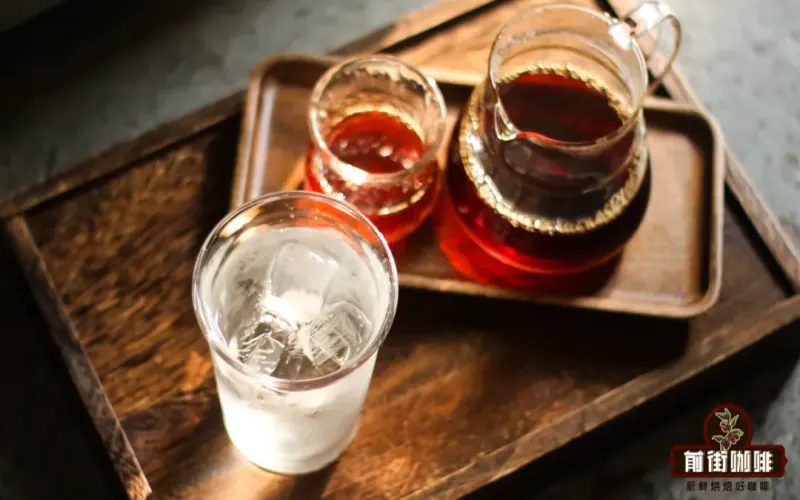
Why Drink Iced Water Before Coffee Tasting? The Origins of Espresso with Iced Water and an Analysis of Its Applicability to Pour-Over
When ordering at a café, you'll often see a glass of ice water served alongside an espresso, and many enthusiasts are in the habit of drinking ice water before their coffee. Can this glass of ice water actually help us perceive coffee flavors more clearly? Front Street Coffee will approach this from the perspective of oral sensory cleansing, explaining how ice water enhances the tasting experience by rinsing away residue, stimulating saliva production, and numbing the palate through low temperature, while also tracing the origins of this practice in espresso culture. It will also discuss whether pour-over coffee is suited to the same approach, and why room-temperature water is gentler on the stomach and intestines. [more…]

The Basic Process of Coffee Tasting | How do you properly taste coffee? What are the steps in coffee tasting? How do you describe the flavor of pour-over black coffee?
For more specialty coffee knowledge, please follow our WeChat official account: FrontStreet Coffee. Tasting coffee is like tasting wine—when we savor a cup of specialty coffee, we naturally aspire to discern its flavors and express them. Since many of our readers have given feedback about coffee tasting-related [more…]
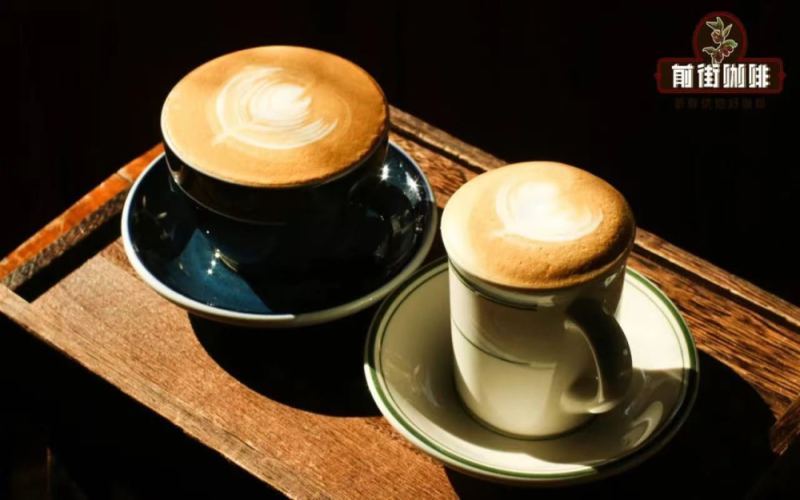
The Art of Tasting Espresso: Extraction Parameters, Tasting Methods, and Flavor Analysis
Espresso may seem simple, but in reality it conceals a great deal of knowledge. From extraction pressure, water temperature, and dose to extraction yield, every variable affects the final flavor expression. Many first-timers are puzzled by the glass of ice water a barista serves alongside it—what exactly is this water for? Starting from Front Street Coffee's production practices, this article systematically sorts out the golden rules for espresso extraction, analyzes how grind size, extraction pressure, dose, and extraction yield affect flavor, introduces in detail the recipe and flavor characteristics of Front Street Coffee's Sunflower Warm Sun blend coffee beans, and finally shares the proper way to drink espresso, helping coffee lovers truly understand this cup of rich, mellow coffee. [more…]
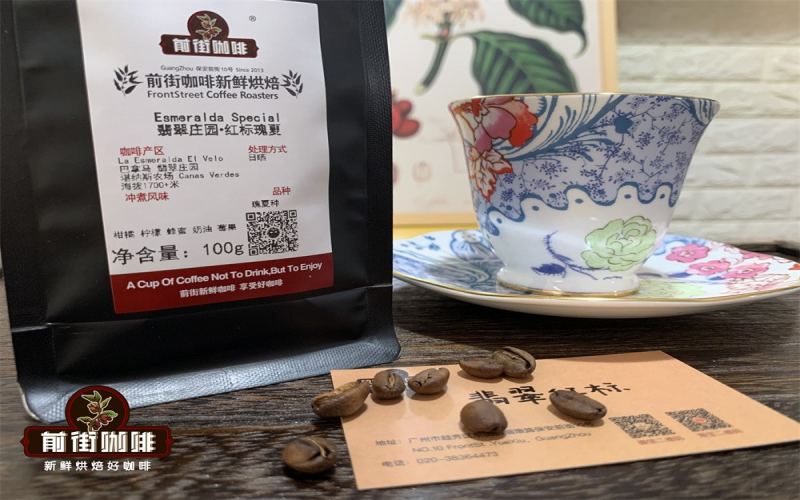
A Guide to Tasting Geisha Coffee: From Aroma to Palate, Master the Flavor Differences Between Panamanian and Ethiopian Geisha
Since Geisha coffee rose to fame from Panama's Hacienda La Esmeralda, it has firmly held its place as one of the most expensive coffees in the world, with a reputation that even surpasses Blue Mountain. Countries around the world have rushed to cultivate Geisha, and it is also grown in Yunnan, China, but the flavor has always struggled to match Panama's—thanks to the加持 of microclimates. So how exactly should such an expensive Geisha be drunk to live up to its price? Front Street Coffee believes that tasting Geisha requires experiencing it sequentially from high temperature to low temperature, drinking it within 20 minutes, progressing layer by layer from smelling the aroma, tasting the flavor, identifying defects, to portion and temperature. At the same time, Ethiopia, as the genetic homeland of Geisha, produces Geisha that is completely different in flavor from Panama Geisha. This article will also sort out the differences between the two and include Front Street's roasting and brewing suggestions. [more…]
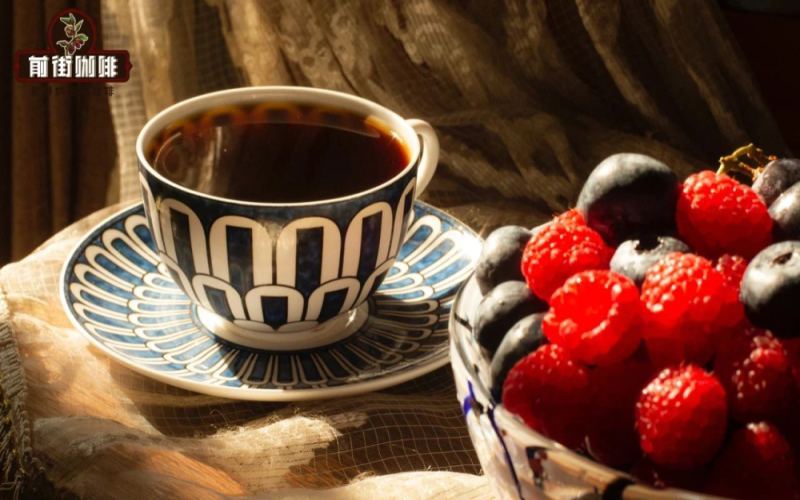
Introduction to Coffee Tasting: Flavor Description Methods and Characteristics of Pour-Over Coffee, from Aroma to Aftertaste
Tasting specialty coffee is like tasting wine: you must not only drink it, but also learn to perceive and express it. This article unfolds from two levels: the tasting process and the tasting dimensions. First, it lays out the complete steps of smelling dry aroma, wet aroma, and tasting at high and low temperatures; then, drawing on the subdivided COE cupping categories—aroma, cleanliness, sweetness, acidity, mouthfeel, flavor, aftertaste, and balance—it explains one by one how to describe the flavor of a cup of coffee. At the same time, it answers why we use "flavor" rather than "taste" to express coffee, and introduces the characteristics of pour-over coffee in terms of aroma layering and mouthfeel performance. The article also combines recommended products from Front Street Coffee to help enthusiasts build a systematic tasting framework, making every brew a well-grounded sensory exercise. [more…]
Pour-Over Coffee Tasting | Does Coffee Taste Differ with Different Cup Shapes? Which Cup Shape of Coffee Tasting Cup Should Be Paired for Tasting Different Coffees?
As the saying goes, a good horse deserves a good saddle, and good tea belongs in a fine jar. As the main vessel for holding coffee, the impact of different cup designs on tasting has gradually drawn people's attention. Some coffee shops even spend lavishly on a set of coffee cups dedicated to serving, in order to create a dual experience for the eyes and the palate. Just like wine, cups [more…]

Coffee Tasting Techniques: How Slurping Helps Us Experience the Flavor of Single-Origin Pour-Over More Fully
In coffee shops, you occasionally hear someone make a peculiar sound while drinking coffee—this is actually a tasting method called "slurping." Although it may not sound elegant, it genuinely helps us capture the flavors of coffee more fully. By changing the temperature and form of the coffee as it enters the mouth, slurping atomizes the liquid and accelerates the release of aromas, while also restoring the taste buds' sensitivity at the right temperature, enabling a clearer distinction of flavor layers such as sourness, sweetness, and bitterness. This article uses Front Street Coffee's Sidra beans as an example to walk you through the specific technique and principles of slurping, helping you understand why this seemingly crude method actually lets you get a head start on experiencing the richer, more delicate flavors in coffee. [more…]
From Aroma to Aftertaste: Master the Complete Professional Coffee Tasting Process and Flavor Description Methods
Drinking coffee and tasting coffee are two different things. Truly professional tasting requires engaging the senses of smell, taste, and touch, progressively capturing the three-dimensional character of a cup of coffee—from dry aroma and wet aroma to the flavor changes at high and low temperatures. This article uses Front Street Coffee's tasting class as a thread, systematically outlining the basic process of tasting coffee, and drawing on the dimensions of COE cupping to explain one by one the methods for judging and describing aroma, cleanliness, sweetness, acidity, mouthfeel, flavor, aftertaste, and balance. Whether you are a beginner just getting started or an advanced enthusiast looking to improve your ability to articulate what you taste, you will find actionable tasting approaches and practical references here. [more…]

Why Light-Roast Pour-Over Coffee Tastes More Acidic as It Cools, and Recommended Tasting Times
Many coffee enthusiasts notice that when brewing light-roast coffee, it is rich in aroma and stands out with fruity sweetness right after brewing, but as the temperature drops, the sourness becomes especially pronounced. Is this phenomenon normal? What sensory and chemical reasons lie behind it? Front Street Coffee will analyze this from two dimensions: the patterns of human taste perception and the changes in coffee's own components, explaining the differences in how bitterness, sweetness, and sourness are perceived at different temperatures, as well as the impact of aroma volatilization on the flavor experience. At the same time, the article will also discuss the time windows for tasting at high, medium, and low temperatures, and explain the bitterness and astringency caused by the release of tannic acid, helping you fully experience a cup of coffee's flavor layers within the optimal period. [more…]
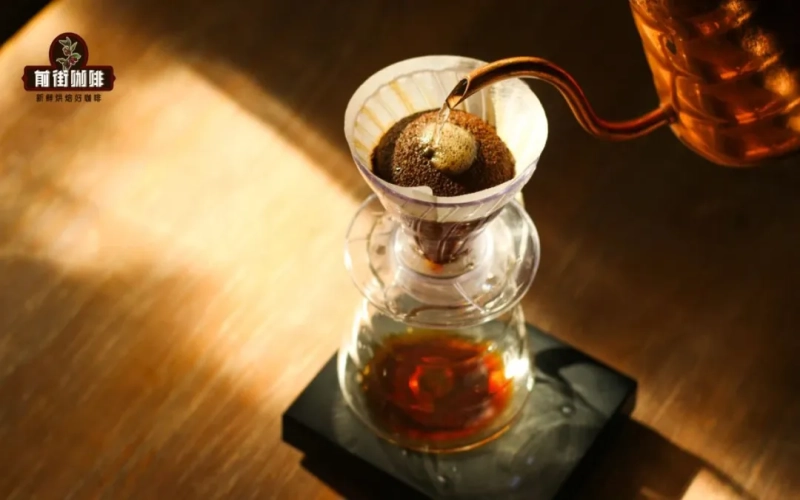
Analysis of Flavor Differences Between Hot and Iced Pour-Over Coffee: Extraction Yield, Water Temperature Ratio Parameters, and Tasting Experience Comparison
When tasting a new bean, why is it recommended to choose a hot brew first? This article delves into the flavor differences of black coffee made by pour-over, French press, siphon, and other methods under hot brewing and iced brewing from the perspectives of extraction yield, concentration, water temperature parameters, and so on. Taking pour-over coffee as an example, the article specifically compares the different settings of hot brewing and iced brewing in terms of coffee-to-water ratio, grind size, water temperature, and other parameters, and explains why iced brewing often requires sacrificing part of the extraction yield in exchange for higher concentration. At the same time, it also explores the influence of temperature on aroma, taste, and aftertaste, explaining why hot coffee can more fully present the complete picture of a bean. [more…]
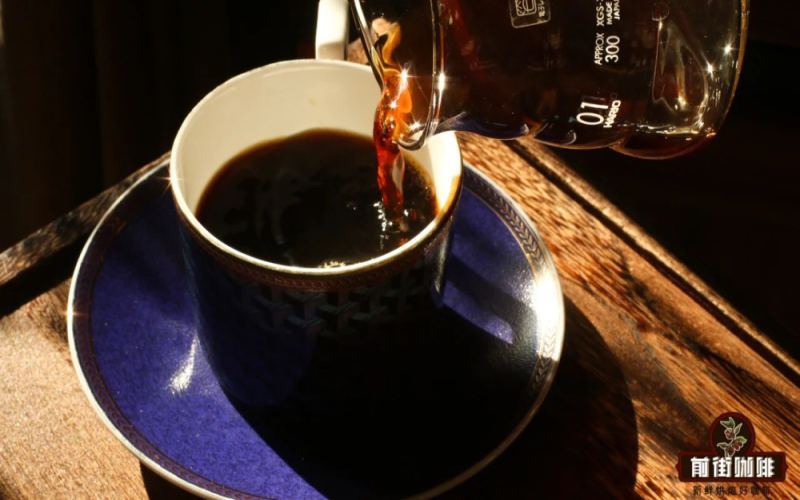
How Temperature Shapes Coffee Flavor: Sensory Changes and Tasting Techniques from Hot to Cool
After a cup of hot coffee sits for a while, its flavor and aroma often undergo noticeable changes, even revealing sweetness, fruity notes, or floral notes that were hard to detect right after brewing. This change is not an illusion, but the result of specific chemical reactions and physical volatilization triggered by temperature fluctuations. Coffee contains over a thousand aroma compounds, of which about forty are the more commonly occurring prominent aromas, and they are released and perceived differently at different temperatures. Front Street Coffee believes that understanding the effect of temperature on coffee not only helps you find the most suitable drinking window for each bean, but also allows you to more accurately identify the balance between acidity, sweetness, bitterness, and aroma. This article will systematically sort out the flavor evolution patterns from 82°C to below room temperature, and provide actionable tasting suggestions. [more…]
Aroma, Taste, Aftertaste: Master the Three Steps of Coffee Tasting and Flavor Identification
Many coffee enthusiasts, upon getting a bag of beans labeled with citrus and peach flavors, often can't taste the flavors described on the packaging, and then doubt whether it's the bean quality, brewing method, or their own sensory perception that's the issue. In fact, the same cup of coffee can be described differently by different people, which is closely related to individual dietary culture, regional background, and taste memory. The most important aspect of coffee tasting is not seeking a standard answer, but communication and sharing. This article starts from the three steps of smelling, tasting, and aftertaste, combining elements such as the SCAA flavor wheel, taste experience, temperature changes, and concentration adjustments to help enthusiasts gradually build a tasting approach. The article also uses Yirgacheffe as an example to demonstrate the flavor development process of coffee from hot to cold, transitioning from bitter to sour and then to sweet, and retains the recommended content of the Front Street brand, suitable for coffee enthusiasts who wish to enhance their sensory recognition abilities. [more…]
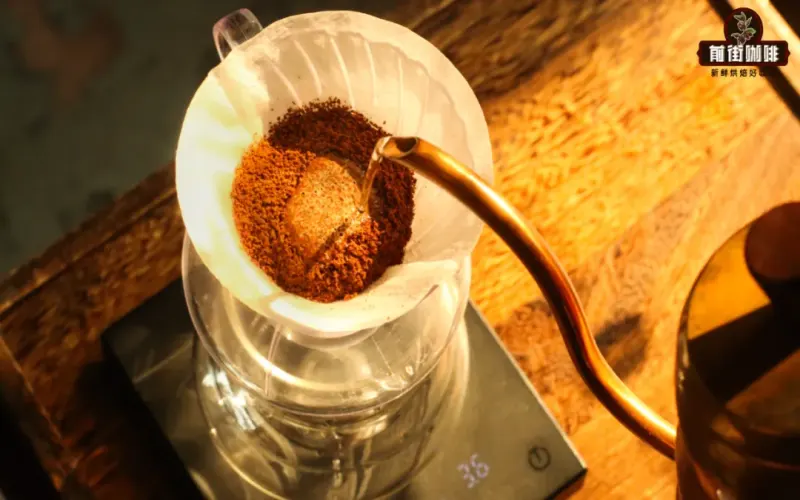
An Analysis of Flavor Differences Between Hot and Iced Pour-Over Coffee: A Professional Tasting Comparison from Temperature to Brewing Parameters
When buying coffee beans at a coffee shop or a Front Street location, many coffee enthusiasts ask the same question: for single-origin pour-over coffee, is it better hot or iced? Why is the flavor of hot pour-over coffee often more intense and prominent than iced pour-over? This article will start from the effects of coffee temperature on taste bud perception and aroma volatilization, deeply analyze why hot drinks make it easier to taste flavor, and at the same time explain the special adjustments in brewing parameters for iced pour-over—how operations such as reducing the amount of water, increasing the ratio of grounds to ice, and grinding finer affect the final flavor performance. The article also takes Front Street Ethiopia Huakui as an example, separately presenting a comparison of tasting results between hot brewing and iced brewing, to help readers fully understand the respective flavor characteristics and suitable scenarios of the two brewing methods. [more…]